News/Blog

News and thoughts from our staff

 
Morgan Hill Economic Conditions

Morgan Hill Economic Conditions

By Brittney Sherman

Commercial Real Estate and Business Conditions

Morgan Hill’s commercial real estate market has entered a stabilization phase following two years of higher interest rates that reshaped financing conditions, particularly for speculative projects. Over the past five years, the city has delivered nearly one million square feet of new light industrial space, significantly expanding local inventory. Recent deliveries and tenant turnover have increased availability, creating opportunities for businesses seeking modern facilities that were previously difficult to secure.

Outside of industrial development, new commercial construction has been more measured, with higher borrowing and construction costs influencing project timing and scale. Retail and service-oriented properties continue to perform best in areas with strong foot traffic. Restaurants and personal services remain active, though operators are navigating higher labor and operating costs. Across sectors, businesses are operating more cautiously, prioritizing efficiency, lease renewals, and targeted reinvestment over rapid expansion. Consumer spending has moderated, particularly for discretionary goods, while demand for services and dining has held up more consistently.

What This Means for Morgan Hill

Overall, Morgan Hill’s economy is adjusting rather than contracting. The addition of nearly one million square feet of new light industrial space has shifted the market from scarcity to increased choice, giving businesses greater flexibility while increasing the importance of pricing, building quality, and absorption. Higher operating and financing costs have led firms to be more deliberate, focusing on efficiency, right-sizing, and targeted reinvestment. With growth moderating and financing conditions improving modestly, pointing to a more balanced and sustainable economic environment.



 
Financial Market Summary 2025

Financial Market Summary 2025

By Brittney Sherman

Federal Reserve Actions in 2025 — What Matters for Business Owners

In 2025, the Federal Reserve began easing monetary policy after several years of aggressive tightening. The most consequential action for businesses was a series of interest rate cuts, intended to reduce borrowing costs as inflation moderated and economic growth slowed. For business owners, these reductions provided modest relief on variable-rate loans, lines of credit, and some commercial mortgages, particularly for firms carrying short-term or revolving debt.

The Fed also ended its balance sheet runoff, commonly referred to as Quantitative Tightening. By halting the reduction of its bond holdings, the Fed reduced upward pressure on longer-term interest rates. This move helped stabilize credit conditions and improve access to longer-term financing, including loans for commercial real estate, equipment purchases, and capital investments.

How This Could Affect Morgan Hill

For Morgan Hill businesses, these actions may translate into slightly improved access to financing and more predictable borrowing conditions, especially for small and mid-sized firms considering expansion, tenant improvements, or equipment upgrades. Lower and more stable interest rates can also support commercial leasing activity and investment in industrial and mixed-use properties. While monetary policy alone does not drive local economic outcomes, the Fed’s shift in 2025 reduces some financial headwinds for businesses operating in a cost-conscious environment and may support gradual reinvestment and growth across the local economy.


2025 End of Year eNewsletter

2025 End of Year eNewsletter

By Brittney Sherman

As we close out another busy year, the Economic Development team would like to wish all of our businesses a prosperous holiday season and a Happy New Year. 

We are grateful for the Community’s continued support of the Economic Blueprint workplan, launch of the Small Business and Entrepreneurship Program, updates to the Live Entertainment Ordinance, and removal of development barriers in the Condit/Auto Park/Laurel Planned Developments. For those that we connected with in-person, we appreciate you taking the time out of your busy schedule to host us for a business visit. This final newsletter of the 2025-year highlights just a few of our accomplishments. 

We look forward to beginning the work outlined in our 2026 Workplan to support the City’s long-term fiscal sustainability and increase the number of local business services and job opportunities for all Morgan Hill residents.  

Read the full eNewsletter HERE


Retail Trends in 2026

Retail Trends in 2026

By Brittney Sherman

New data shows retail is becoming more polarized as consumers focus on either value or premium experiences, with mid-tier retailers facing growing pressure. Off-price, thrift, and luxury brands continue to see increased foot traffic, while dining trends show strength at both ends of the market at the expense of traditional casual restaurants Retail Trends to Watch in 2026.

Across sectors, brands that emphasize authenticity, clear identity, and community connection are performing more consistently than those competing on price alone. Retailers are also leaning further into omnichannel strategies, blending online shopping with local pickup and faster fulfillment, while shifting investment toward suburban locations that align with hybrid work and lifestyle patterns.


Bay Area public transit riders can use bank cards to ‘tap-and-ride’

Bay Area public transit riders can use bank cards to ‘tap-and-ride’

By Brittney Sherman

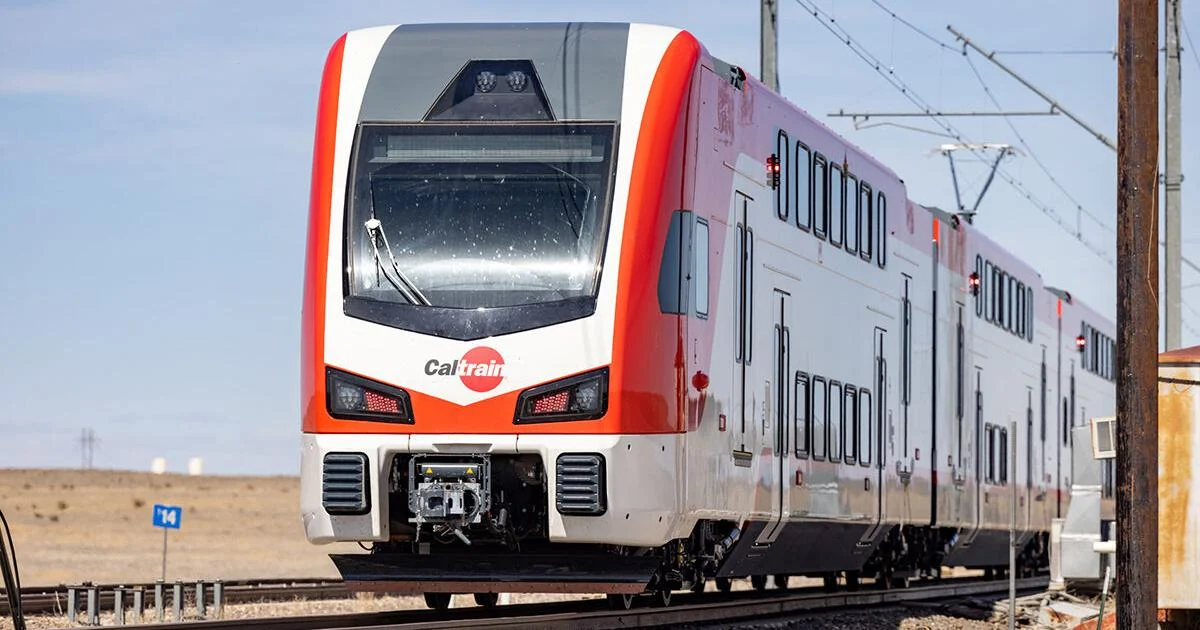
The Bay Area has begun rolling out a new generation of the Clipper Card system, offering faster, more flexible transit payments. Over the next 12 weeks, riders will gain features such as instant balance reloads, free and discounted transfers between agencies, and centralized account management.

Transit agencies across the nine-county region, including BART, Caltrain, and VTA, now also accept contactless bank and credit cards, allowing riders to tap and ride without a Clipper Card. The tap-to-pay option, first launched on BART in August, is already the second-most-used fare type. Transit advocates note the updated system could significantly reduce trip costs for riders making multi-agency connections.

Read more HERE!


Farm draws families for traditional Christmas tree shopping

Farm draws families for traditional Christmas tree shopping

By Brittney Sherman

Jorge Garcia watched his young children explore rows of evergreens at Battaglia Ranch as his family searched for their Christmas tree. Garcia said the experience felt more authentic than buying a pre-cut tree, offering a rare chance to connect with nature and make a family tradition.

For nearly six decades, Battaglia Ranch in San Martin has been a seasonal gathering place for local families. Originally a stone fruit farm, the property shifted to Christmas trees in 1968 when brothers Paul and Ed Battaglia changed course. Today, the brothers continue to operate the ranch, sourcing trees both locally and from Oregon to provide varieties that thrive in California’s growing conditions.

Read more HERE!


Join us on Social Media

Talk to our team